 הזדהות מורה / תלמיד משרד החינוך
Okay, so check this out—I've been using Solana wallets in browser extensions for years now. Wow! At first it felt like another tool in the noisy crypto toolbox. My instinct said "this'll be fiddly," but then things changed. Initially I thought browser wallets were just convenience wrappers, but the more I poked under the hood the more useful patterns showed up, especially with Phantom.
Whoa! Seriously? Yes. The speed differences alone on Solana networks are striking. Short confirmations. Low fees. Transactions that don't make you wait and wait. On one hand that feels liberating; on the other hand, you miss the old "I can stare at a pending TX forever" drama—though actually, wait—let me rephrase that: fast is better, but fast also hides subtle UX traps.
Here's the thing. Browser extension wallets like Phantom are not merely key stores. They act as the bridge between the web app and your cryptographic identity. Hmm… that sounds nerdy. But landing on a new dApp with a smooth pop-up that asks for permission is a very different emotional experience than copying a seed phrase into a random site or pasting raw transactions. I'm biased, but I prefer the extension flow—it's cleaner, fewer steps, fewer mistakes (most of the time). Somethin' about fewer clicks feels safer.
Practical note: extensions change the threat model. Small things matter. For example, permission scoping—how many sites can see your address?—is huge. Initially I thought more granular permissions would be rare, but the ecosystem is moving that way. Developers are shifting to request-only-the-needed scopes. That's progress. And for power users, those details can make or break whether you trust a wallet.
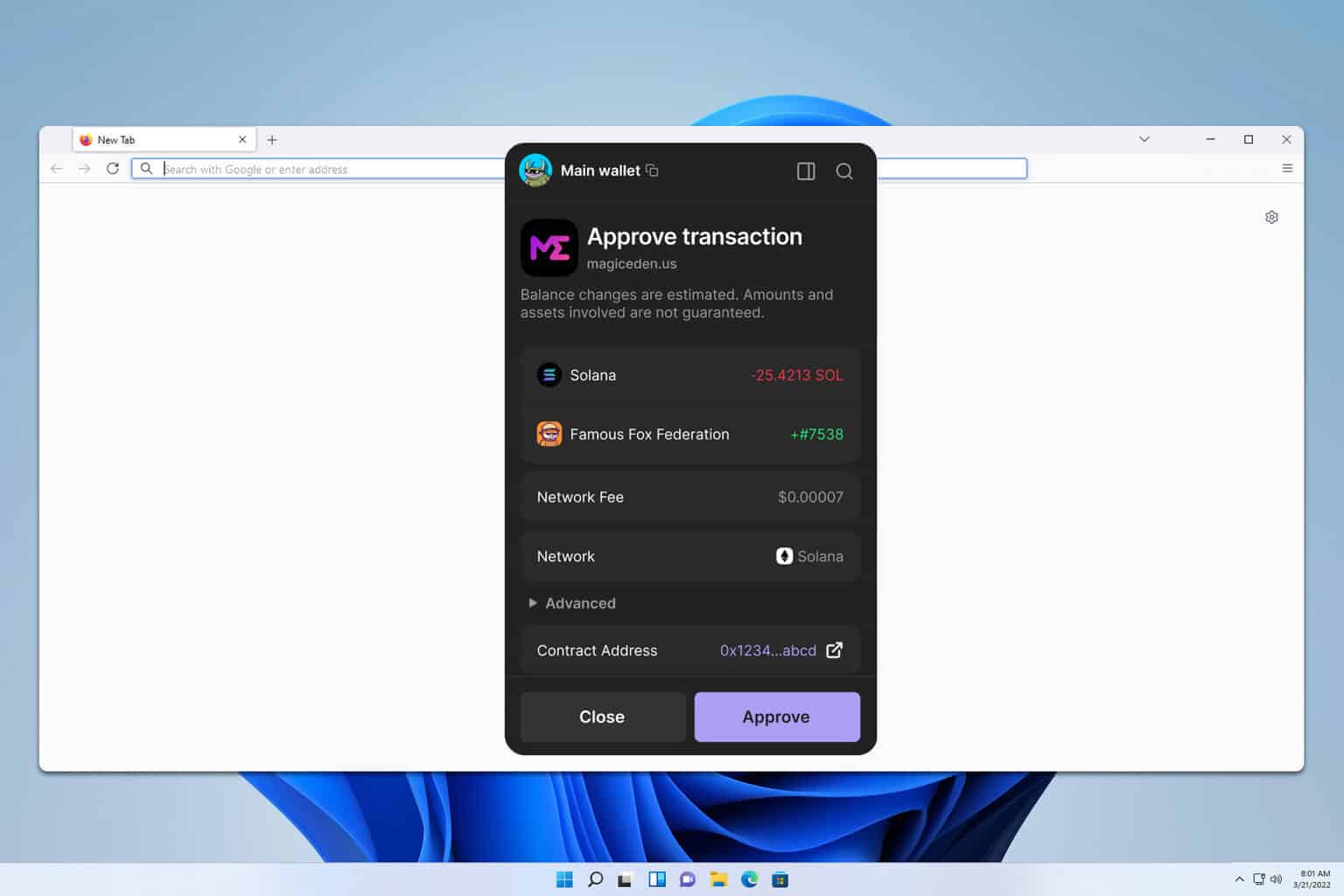
How a Solana wallet extension like phantom wallet fits into your daily flow
Think about logging into a web app. Now imagine the login is cryptographic, tied to a key in your browser. Nice, right? The phantom wallet experience often feels like that—fast auth, clear signing prompts, and integration with many Solana dApps. My first impression was, "This is magic," though actually the magic is careful UI work and dev ergonomics combined with Solana's throughput.
Quick checklist: account management, token swaps, NFTs, staking, and cross-site permissions. Short list. But every one of these features opens up design trade-offs. For instance, swap UX in-extension reduces slippage risk for casual users, yet it can hide fees oracles use. My gut said "show more details," but most users don't want to read charts—so designers compromise. That's where education and layered interfaces help.
Security-wise, extensions are better than web-only wallets that require you to paste private keys into a form. Seriously? Yep. But they are not hardware wallets. Remember that. If someone gets access to your machine, a browser extension is still a software key. So think of a wallet extension as "convenient-and-good-for-daily-value," not "absolute cold storage."
Also—small rant—this part bugs me: too many apps request broad permissions early. Why does a simple collectible viewer want write access? It doesn't. Ask later. Users habitually approve because of friction. UX patterns can nudge behavior here; I'm not 100% sure the ecosystem will self-correct, but it's trending in that direction.
On the developer side, though, integration is stellar. Solana's JSON RPC and wallet adapter infrastructure make it straightforward for dApps to request signatures and send transactions. That developer velocity is why the extension model scales well. But there's a catch: different wallets implement quirks. Testing across clients is still nontrivial. Double test. Very very important.
Real-world use cases and pitfalls
Wallets make minting an NFT simple. Click connect. Sign. Boom. But—oh, and by the way—if you rush you can mint to the wrong account. I've done it. Yup. I was juggling accounts, clicked too fast, and sighed. Human error. The UI could help more by highlighting the active account with a big badge or color. Small design changes reduce catastrophic mistakes.
Another common pattern: referral drops and sign-in rewards. They're great for new users, though they encourage account proliferation. On one hand it's growth; on the other, users spread funds across addresses and later lose track. There's no perfect answer, but better account labeling, naming and export/import flows help a lot.
Transaction batching and fee prioritization are advanced features I watch closely. Solana's low fees make aggressive batching less crucial, yet some dApps bundle operations to keep UX atomic. When something fails in a batch, rollback semantics matter. Developers must handle partial failures gracefully. My instinct said "this will be messy," and often it is—hence the need for robust client-side error handling.
Privacy is another angle. Extensions commonly expose your public keys to sites, which is necessary for many dApp functions. But heuristic tracking across sites is possible. So if privacy matters, consider multiple accounts or privacy tools. I'm not a privacy maximalist, but I care enough to manage it consciously.
Security checklist for extension wallet users
Keep your seed offline. Seriously. If you must store it digitally, encrypt it and keep backups. Wow! Use hardware wallets for large holdings or adopt an air-gapped approach. Extensions are great for daily use, not for hoarding your life savings in one place.
Enable transaction previews. Read them. They can look repetitive, but the context matters. Initially I skimmed them, and flubbed a transaction fee setting. That taught me to pause. Also look for domain-level cues: is the prompt from the app you expect? If the site name looks off, don't sign. Hmm…
Extensions update often. Keep auto-updates enabled, though sometimes auto-updates introduce regressions. That's life—trade-offs everywhere. If an update looks odd, check GitHub commits or community channels. For high-value activity, wait a day or two (if you can) to see if any problems surface. Patience helps.
Finally: guard your browser. Browser profile compromises equal wallet compromise. Use separate profiles for day-to-day browsing and for crypto activity. It's a small extra step that reduces exposure. I'm biased, but compartmentalization has saved me headaches.
Developer notes: building with wallet extensions in mind
Don't nag users for permissions. That kills trust. Flow matters. Ask only what you need, and justify it inline. Users trust transparency. On the technical side, implement retry logic and graceful failure states. Solana is fast, yet cluster hiccups occur. Handle them politely—show helpful human-readable reasons, not cryptic codes.
Test with multiple wallets. Phantom-ish behavior is common, but not guaranteed. Mock signers help, but real-world testing uncovers edge cases. Also include clear error suggestions: "Try increasing compute units" or "This token requires a memo." Tiny signals reduce support tickets big time.
Consider progressive disclosure for advanced features. Most users want a simple path, while power users want knobs. Build both. My first designs tried to be clever by combining everything; that failed. Simplicity first, expand for pros second.
Common questions
Is a browser extension wallet safe?
It depends. For daily use it's reasonably safe if you follow basics: keep your seed offline, use strong OS security, and audit permissions. For large holdings, pair with a hardware wallet. There's no one-size-fits-all answer, though most breaches come from phishing and social engineering rather than the extension itself.
How does Phantom compare to other wallets?
Phantom is widely adopted in the Solana ecosystem for its UX and integrations. But other wallets exist with different trade-offs—some prioritize privacy or advanced developer options. Try a couple; see which workflow matches your habits. Also, community support and documentation matter as much as features.
Can I use multiple accounts in one extension?
Yes. Most extensions support multiple accounts and aliasing. Use labels and colors. Seriously, labeling saves you from silly mistakes, especially when switching between testnets, dev environments, and mainnet activities.
Alright—closing thoughts, quick. I'm more optimistic now than when I first tried extensions. There's friction, and somethin' will always bug me, but the trajectory is positive. Faster transactions, better integration, and evolving permission models point toward safer and more usable wallets. My final gut feeling? Use an extension for active interaction, hardware for long-term custody, and keep learning. The tooling will keep getting better; and we'll keep finding ways to shoot ourselves in the foot—though hopefully less often.
הוספת תגובה
עליך להיות מחובר כדי להוסיף תגובה לעמוד