 הזדהות מורה / תלמיד משרד החינוך
Whoa!
I've been messing with cold storage for years. My instinct said physical keys were the safest. Initially I thought hardware meant the bulky devices people clip to a keyring, but then I touched a smart card and things shifted. That little card changed my view on what "portable security" can actually mean because it felt like carrying a vault in my wallet, not a gadget you babysit.
Okay, so check this out—
Smart-card wallets use NFC to sign transactions without exposing private keys. They look like a credit card and slip into your pocket. Seriously? Yes, and it's impressively convenient while still being very secure. What bugs me is how many users underestimate physical theft vectors, though actually the attack surface is smaller than you might think when the private key never leaves the chip.
Here's the thing.
On one hand people want convenience. On the other hand they demand airtight security. My gut said those two rarely meet, but smart-card NFC tech is narrowing the gap. Initially I worried about proximity attacks and relay exploits, but then I dug into secure element architecture and realized most cards implement anti-cloning and tamper resistance that raise the bar considerably.
Hmm…
Let me be real—I'm biased toward elegant UX. I also care about standards and audits. There are trade-offs, obviously; for example firmware updates on immutable chips can be awkward, and sometimes documentation is sparse. But when a vendor pairs a certified secure element with a simple user flow, adoption barriers drop fast.
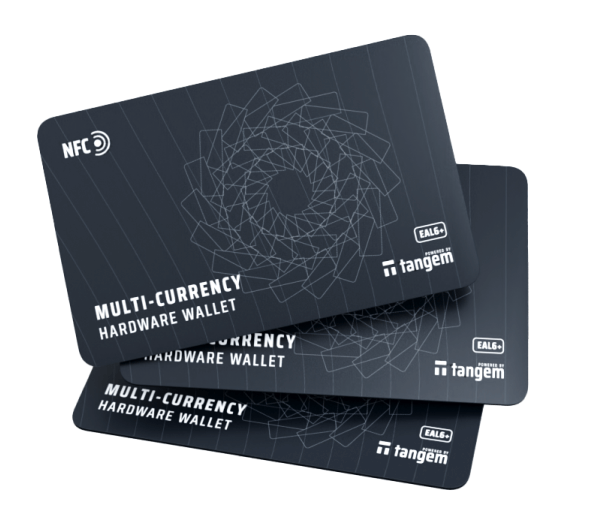
How NFC Smart-Cards Work, Plainly
Wow!
They store the private key inside a secure element. They use Near Field Communication to sign messages when tapped to a phone. The signing occurs on-chip, so the key never touches the mobile device. That model prevents common malware threats because stealing the phone doesn't equal stealing funds—unless the attacker also gets your card and PIN together, which is harder than it sounds.
Actually, wait—let me rephrase that.
There are real exceptions though. Backup strategies matter. If you rely only on a single card without a recovery plan, you risk irreversible loss. On the bright side, modern smart-card wallets support mnemonic export or multi-card backup schemes, which means you can split recovery across several cards or generate an offline seed for safe keeping (but do that carefully, ok?).
Why Tangem-Like Cards Stand Out
Seriously?
I tried several brands and the one that stuck in my pocket felt like a proper product. The balance of security, UX, and durability matters. If you want a pragmatic recommendation, the tangem hardware wallet offers a neat blend of these traits without making you a cryptographer. It's not perfect, but it's one of the few that treats the chip as the core authority while keeping the app interactions straightforward and minimal.
Something felt off about marketing claims at first, though.
Vendors love to toss around words like "immutable" and "unhackable," and that drives me nuts. No system is invulnerable. However, a design where private keys are generated and locked in a certified secure element, combined with a physical card form factor and NFC signing, reduces remote compromise risks drastically. My experience showed fewer hiccups during daily transfers compared to juggling seed phrases in noisy environments.
Threats, Real and Hypothetical
Whoa!
Relay attacks get attention in headlines. Skimming concerns pop up too. But practical risk depends on user behavior and device hygiene. If you tap your card in crowded places and approve anything without checking, you're asking for trouble, though that sounds obvious and sometimes people still do it.
On the analytical side, here's how the risk landscape unfolds: smart cards resist cloning, secure elements detect tampering, and NFC range limits make distant attacks harder, but social engineering remains the weak link where most losses happen.
I'm not 100% sure about every vendor's certifications, so always verify audits and chip provenance. (Oh, and by the way…) check audit reports if you plan to custody large amounts, because a glossy app page doesn't substitute for independent verification.
Practical Tips for Using a Smart-Card Wallet
Wow!
Treat it like a bank card but with more care. Keep a PIN. Use a backup plan. Store backup seed material in a separate secure location. Try multi-card backups for redundancy if you store significant value. Label and catalog your backups so a curious roommate or a forgetful partner doesn't accidentally toss something important.
I'll be honest—I lost a backup once because I tried to be clever and hide it in a drawer with too many receipts. Lesson learned. Now I use a simple, tested storage method and it saves a lot of low-grade panic when I travel.
FAQ
Are smart-card NFC wallets safe for everyday use?
Yes, for most users they'll be a great balance of convenience and security. They eliminate many remote attack vectors since the private key never leaves the secure element, but you still need PIN protection and a reliable backup strategy.
Can someone clone my card by copying NFC data?
Very unlikely if the card uses a certified secure element. NFC skim attacks generally can't extract private keys because those keys are not exposed over the interface. Still, check the card's security certifications to be sure.
Which smart-card should I pick?
If you want a pragmatic and user-friendly option, consider the tangem hardware wallet as part of your shortlist. Evaluate its certifications, UX, and how it handles backup and recovery before committing.
Alright, here's the final thought.
My early skepticism gave way to cautious optimism. Smart-card NFC wallets feel like the kind of incremental innovation that actually reaches users beyond hardcore collectors. They aren't magic, but they lower the friction of safe custody in real, tangible ways, and that matters.
I'm biased, but I prefer things that just work without making me read an academic paper first. If you want strong custody with everyday convenience, try one of these cards and pair it with a sane backup plan—then sleep a lot easier. Somethin' tells me you'll appreciate the simplicity.
הוספת תגובה
עליך להיות מחובר כדי להוסיף תגובה לעמוד