 הזדהות מורה / תלמיד משרד החינוך
Okay, so check this out—hardware wallets are the tightrope of crypto custody. Whoa! They keep your private keys offline, they sign transactions locally, and they stop remote attackers from steaming off with your funds. At first glance it looks simple: unplugged device, safer keys. But actually, the devil lives in the UX and the transaction details, and somethin' about NFTs makes that devil a little hairier.
Here's the thing. Hardware wallets do two main things when you send anything on-chain. Hmm… First, they build the transaction payload and show you a human-readable summary. Then, if you approve, they sign the payload with a private key that never leaves the device. Those are medium-sized guarantees, not absolute ones, though—because the user must verify the data shown on the device matches what they expect. Initially I thought that on-device display solved the whole problem, but then I realized multisignature flows, smart-contract interactions, and NFTs introduce ambiguity into what "approve" actually means.
Crypto folks talk about "signing" like it's magic, but it's just math plus context. Seriously? The device uses deterministic algorithms (usually ECDSA or ed25519 variants) to produce a signature the network accepts. The math part is straightforward and provable; the context — which account, which token, what contract call — is human. On one hand, manufacturers focus on tamper-proof chips and secure elements; on the other hand, developers and wallets must translate complex contract calls into plain language that users can verify. That translation is where things fall apart sometimes, especially with NFTs and multi-call transactions that do many things in one go.
Let me be clear—NFTs aren't inherently less secure. Whoa! But they change the UX. An NFT transfer might look like "transfer token 123" on a mobile app. The hardware device might show "transfer to 0xABC…". That's medium clarity for a power user, but confusing for most people. A long complex approve call that grants blanket operator rights over all of someone's tokens can be hidden behind a single "Approve" button in many interfaces. So those long authorizations, once signed, let smart contracts move assets later without asking again. My instinct said "warn users" long ago, and community tools have since made allowances for that, though actually implementations differ widely.
Why on-device verification matters — and where it breaks down
On-device verification is the strongest user-facing control because it moves the last line of defense away from the host computer and into hardware you presumably trust. Wow! That hardware shows an address, an amount, and maybe a contract method name—if the host wallet supplies human-readable data. But here's the snag: many wallets pass only raw data, and the hardware's display or firmware may not decode every possible contract call into English. When transactions include nested calls, the device either simplifies the display or shows raw data that most users can't interpret. On balance then, the guarantee of "you saw and signed exactly this" holds, but "you understood exactly what this does" is less certain.
Practically speaking, that means developers and wallet integrators share responsibility. Users must confirm provenance and context, the host wallet must surface readable deions, and the hardware firmware must resist being tricked into showing deceptive text. There are mitigations—like token lists, method registries, and metadata standards—that improve clarity, but they're not universal. So, you get a patchwork of protection: some flows are crystal-clear, others are very very opaque, and that variability is what security-conscious users need to manage.
One useful pattern is the "sign only simple transfers" mindset. Seriously? Break complex operations into smaller, auditable steps, and sign them separately. That way, each signature corresponds to a narrow action and is easier to verify on-device. That isn't always possible (gas cost, UX, or protocol rules sometimes require bundling), but when feasible it's a good safety-first tactic. Also, prefer contracts and marketplaces that support limited-time approvals or permits instead of unlimited allowances.
NFT-specific concerns and real-world mischief
NFTs bring more than image files and status— they bring metadata, royalty hooks, and often bespoke contract logic. Whoa! Metadata can include URLs pointing at off-chain content (IPFS or centralized hosts), and those links may change meaning or be misused. A token standard's "safeTransfer" might still call arbitrary hooks on the recipient contract if not implemented carefully. So an apparently simple transfer could trigger logic you didn't intend to approve—perhaps a swap, perhaps a secondary sale, perhaps a call that drains an associated approval.
On the analytical side, monitoring tools can flag risky approvals or lists of contracts that request blanket permissions. Hmm… Wallets that show only the method ID and raw bytes are leaving the user in the dark. There's an active ecosystem of so-called "revoke" services that help users rescind approvals after the fact, but revoking isn't always trivial and sometimes costs gas and time. That said, the best practice remains: check the contract address, the method signature, and avoid giving unlimited approvals when not necessary.
Some folks ask: are hardware wallets safe for NFTs? Yes, but be mindful. The signature process still protects the private key from exfiltration. However, safety also depends on whether you verify the exact operation and on the composability of smart contracts involved. It's not a silver bullet—more like a very reliable, but not infallible, seatbelt.
Better UX patterns and the role of standards
What would make signing less scary? Better specs and more ledger-friendly payloads. Wow! Standardized human-readable metadata for contract calls, a method registry that devices and wallets consult, and stricter UX guidelines for multi-action bundles would help tremendously. Also, hardware manufacturers can publish clear heuristics about what they display and why, so wallet teams can adapt. There's progress here, but pace varies across ecosystems.
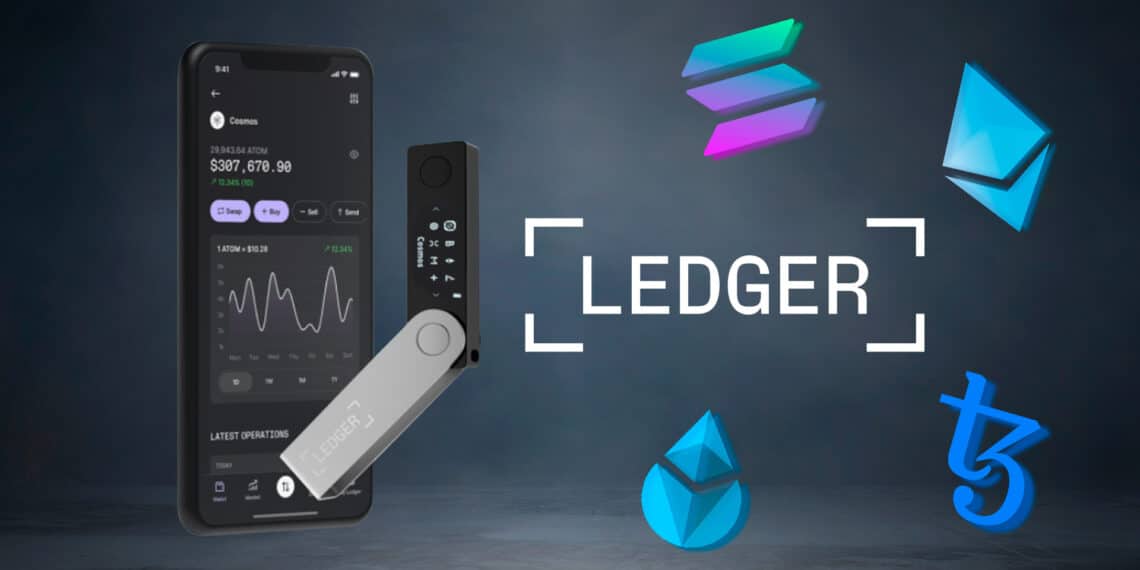
For users in the US and elsewhere, it helps to stick with reputable wallets and hardware teams, and to verify actions on the device itself. Oh, and by the way, maintaining your recovery phrase offline and using a device with a proven update/attestation model matters far more than flashy packaging or brand hype. If you're exploring Ledger devices or trying Ledger Live integrations, check the official guidance and software at ledger—they document what the device will show and how transaction parsing is handled. I'm biased toward clarity, but trust comes from transparency and repeatable behavior.
FAQ
Q: Can a signed NFT transfer be reversed?
A: No, blockchain transactions are final once confirmed. Whoa! You can sometimes mitigate risk via marketplaces that support cancellation windows or off-chain agreements, but once an on-chain transfer is mined it's generally irreversible unless the recipient returns the token voluntarily or a higher-level protocol provides a remedy.
Q: Does a hardware wallet prevent smart contracts from abusing approvals?
A: It prevents private key theft, but it can't stop on-chain logic that the user has authorized. Hmm… If you sign an unlimited approval, the contract can later move tokens within the bounds of that approval. The onus is on you and the wallet UI to avoid careless approvals and to use tools that limit allowance scopes.
Q: How should I verify multi-step transactions?
A: Prefer step-by-step confirmations, review contract addresses, and when in doubt, cancel and research. Initially people rush; then they regret it. Actually, wait—replay the transaction in a sandbox or use block explorers to decode calldata when you suspect something odd.
illigal text removedilligal text removed
הוספת תגובה
עליך להיות מחובר כדי להוסיף תגובה לעמוד